Craft
e-Health
Organisation
Healthapp, Freelance
ExMokers
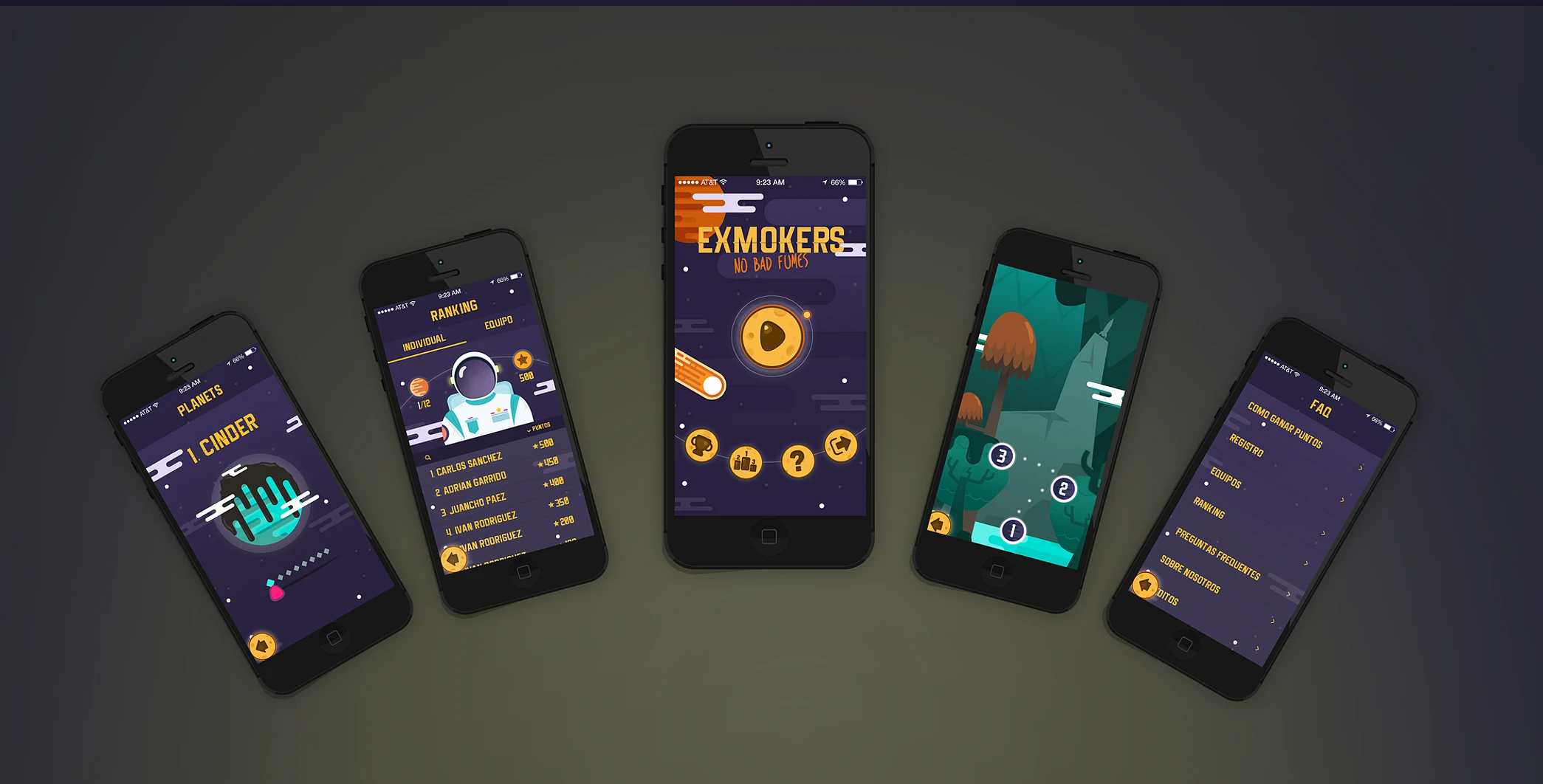
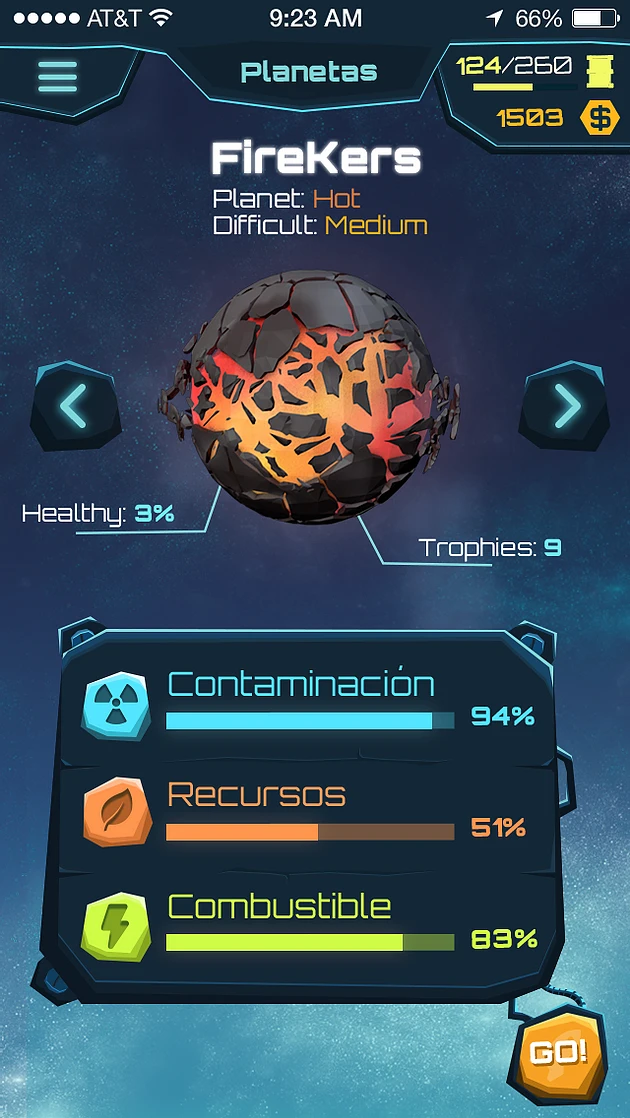
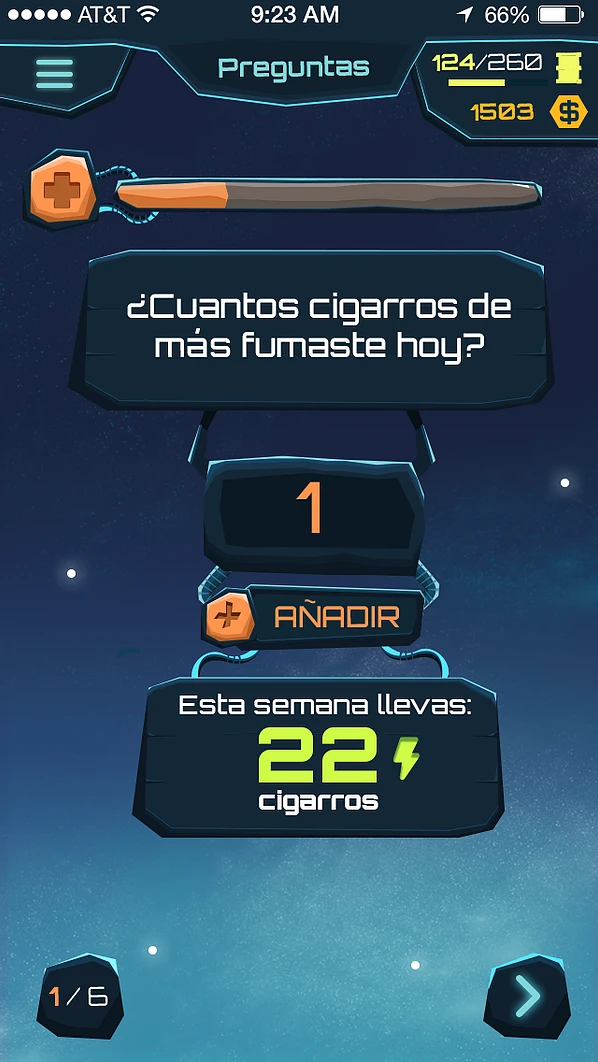
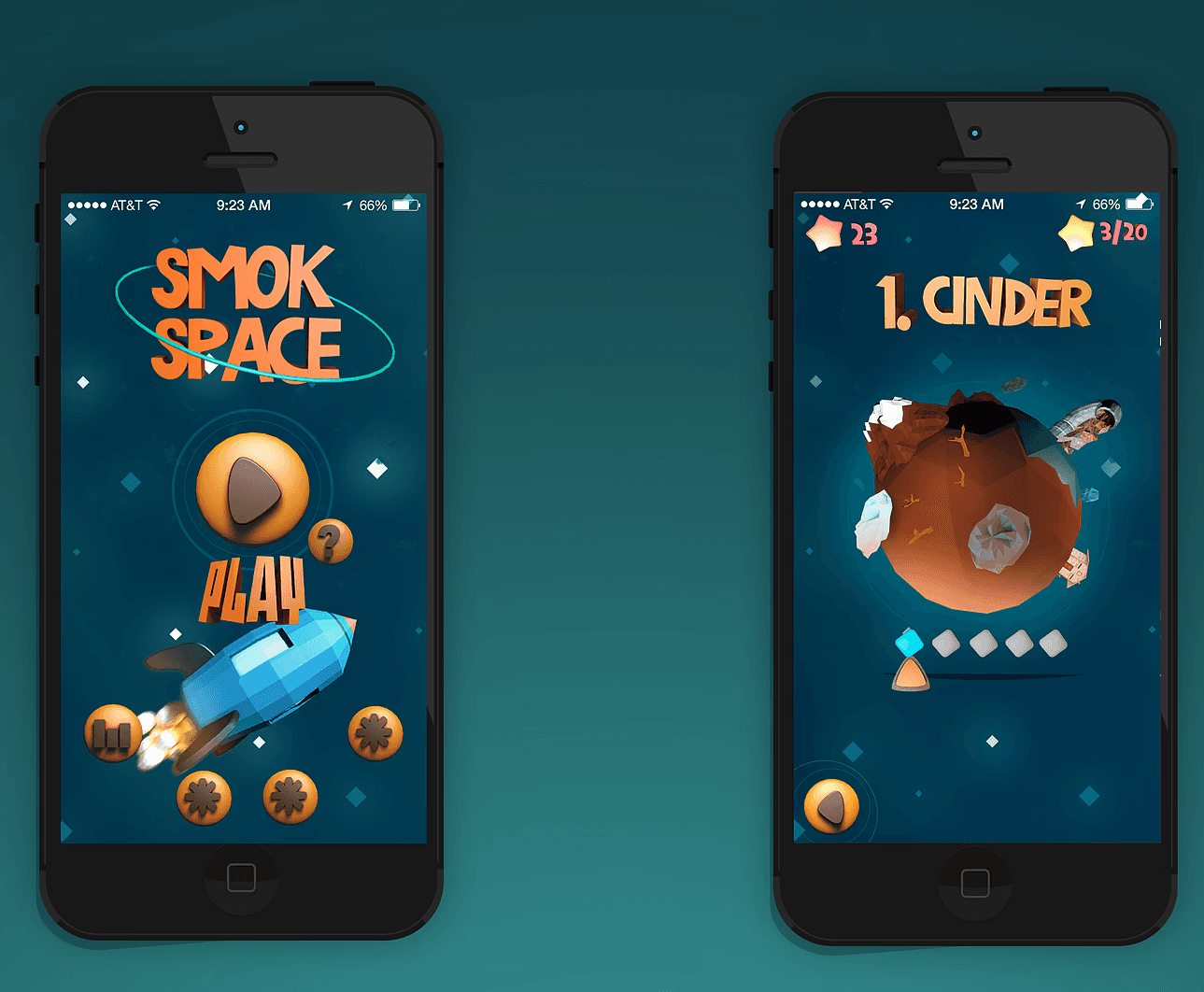
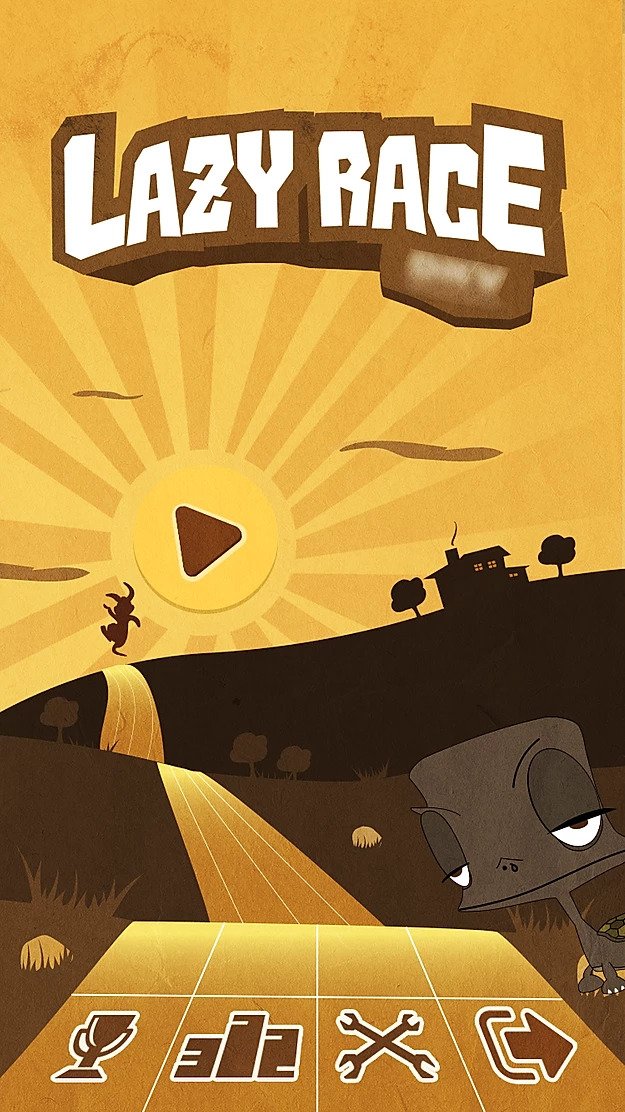
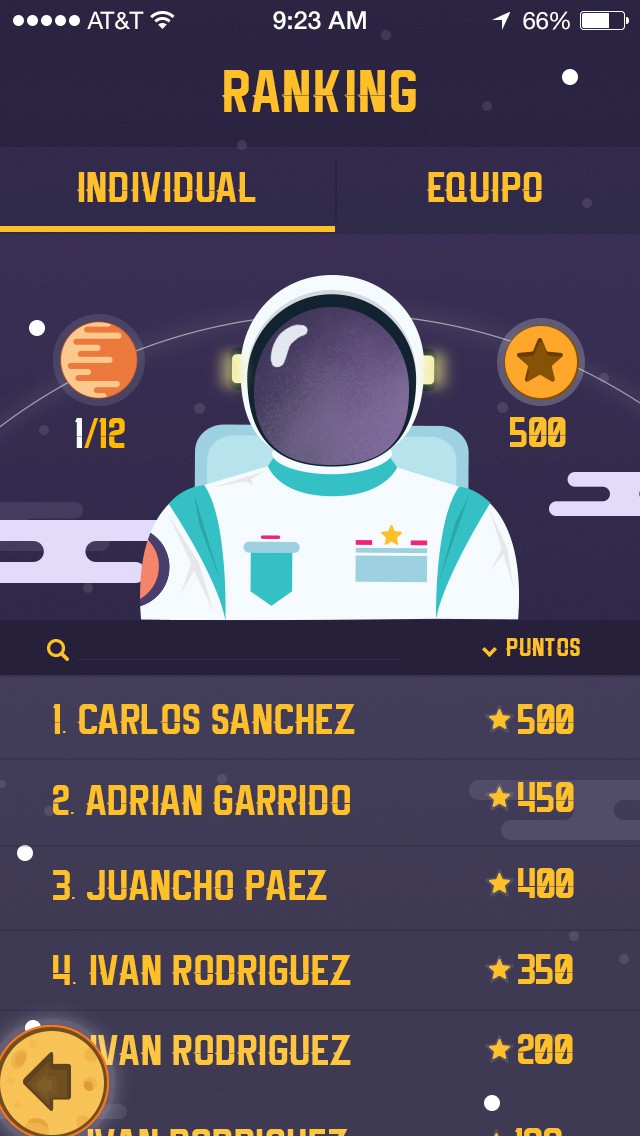
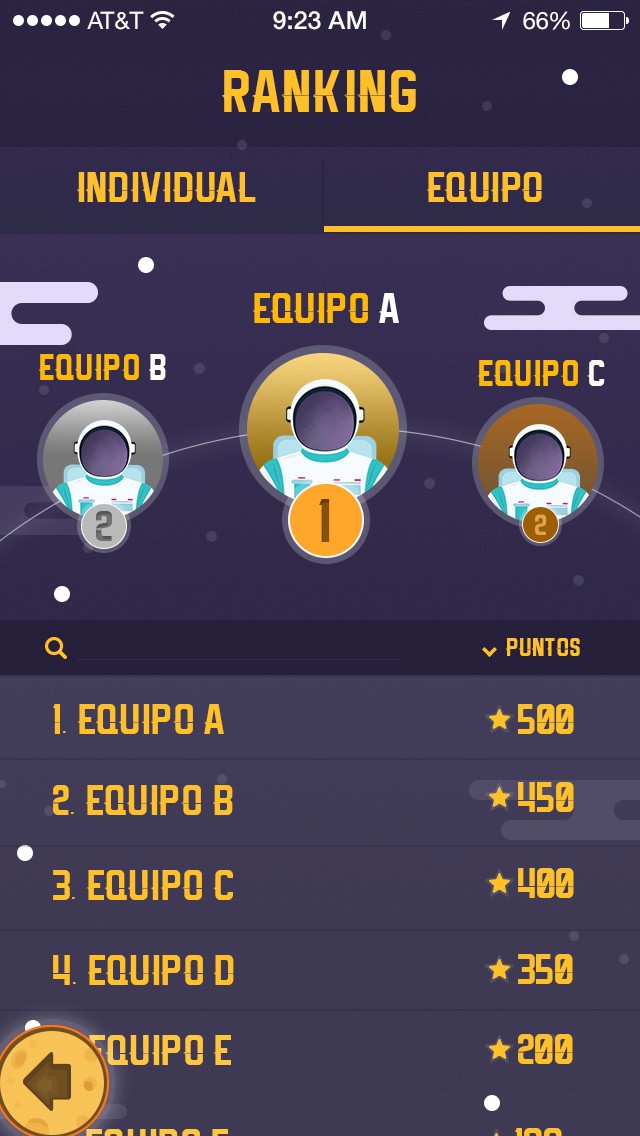
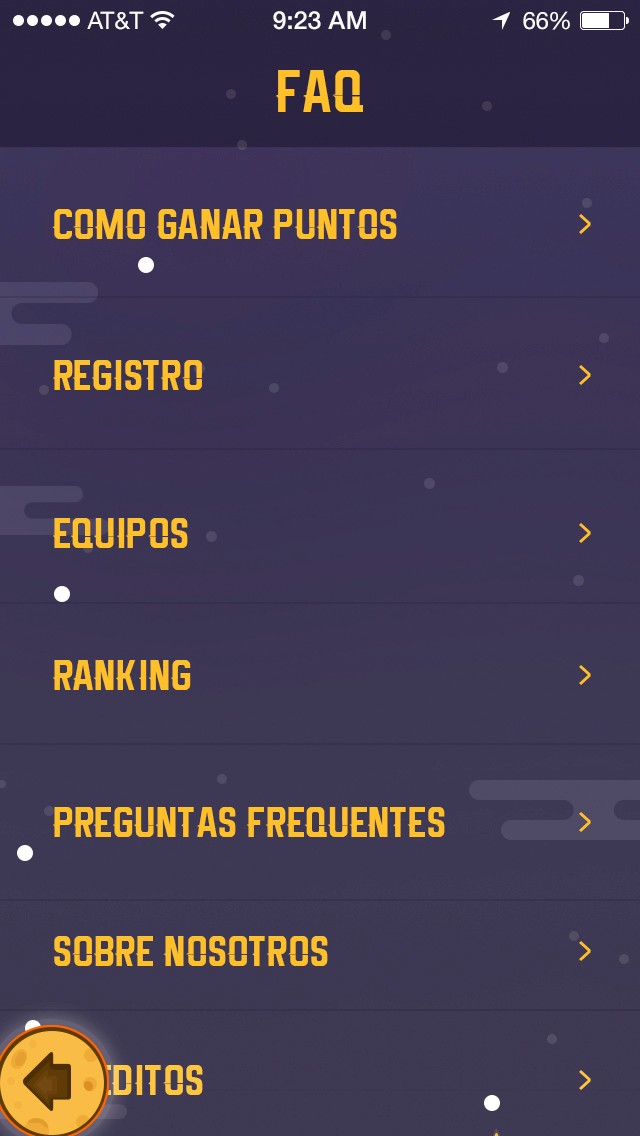
ExMokers was a project developed from scratch for a health insurance company, aimed at helping heavy smokers quit through a gamified mobile experience.
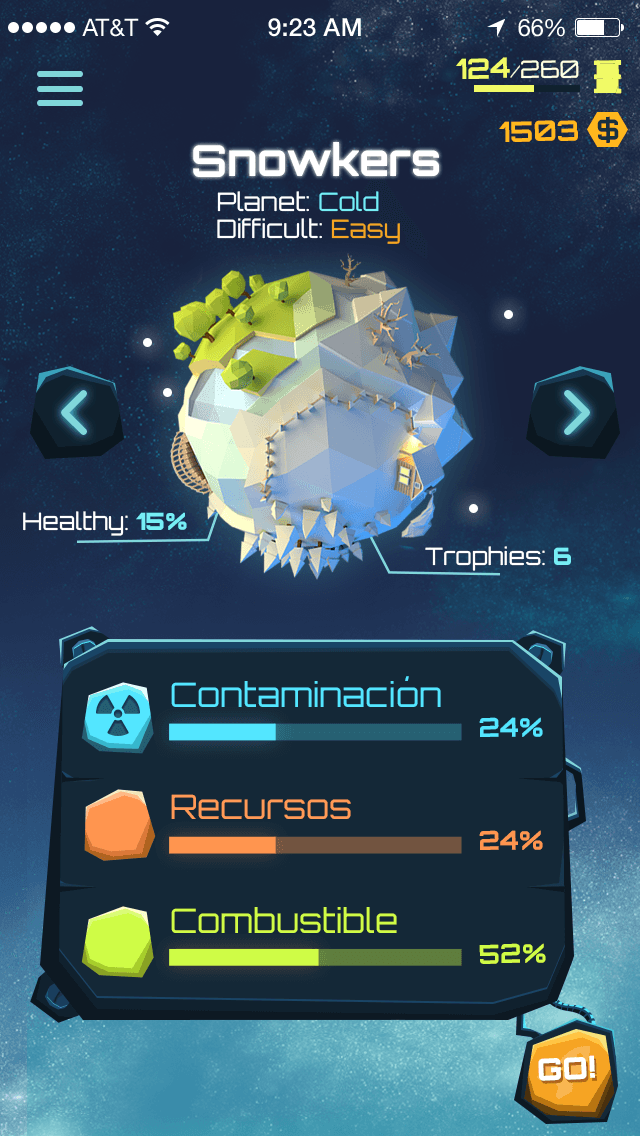
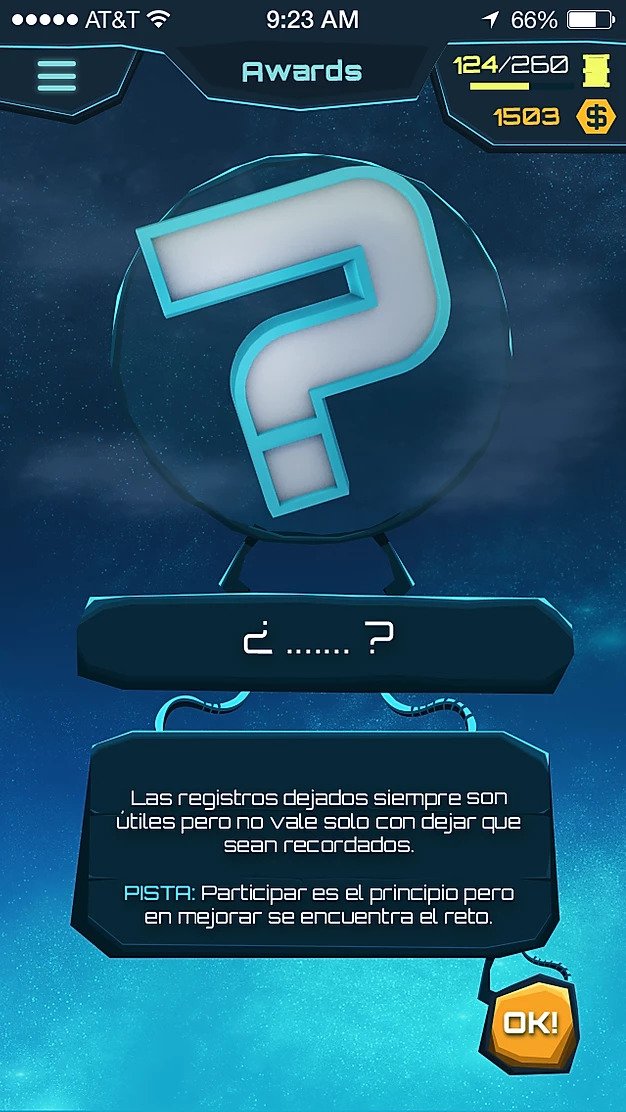
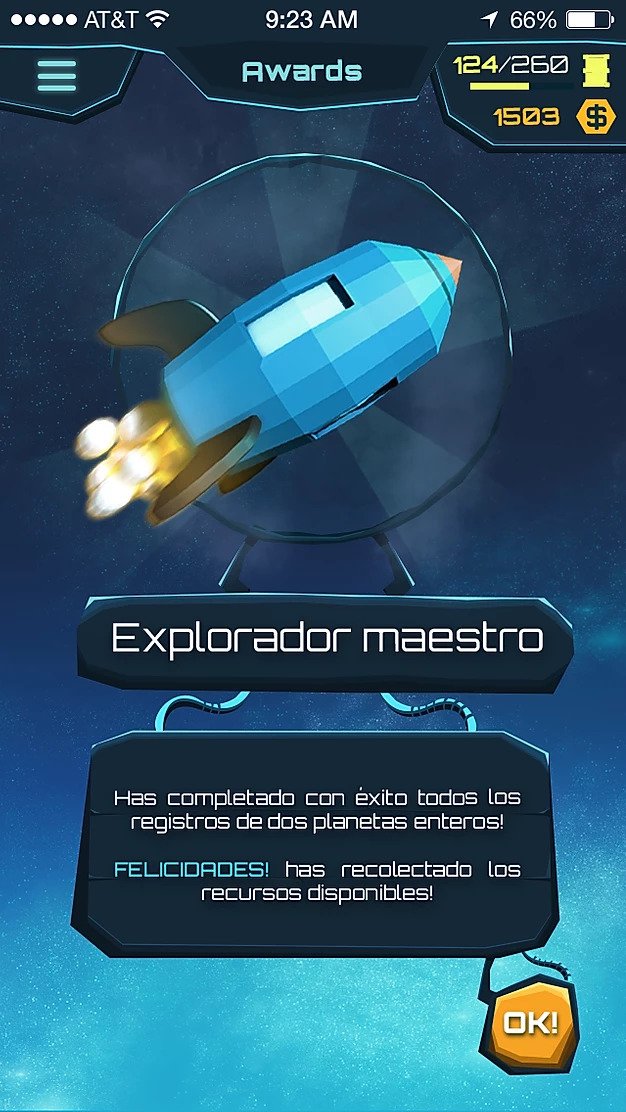
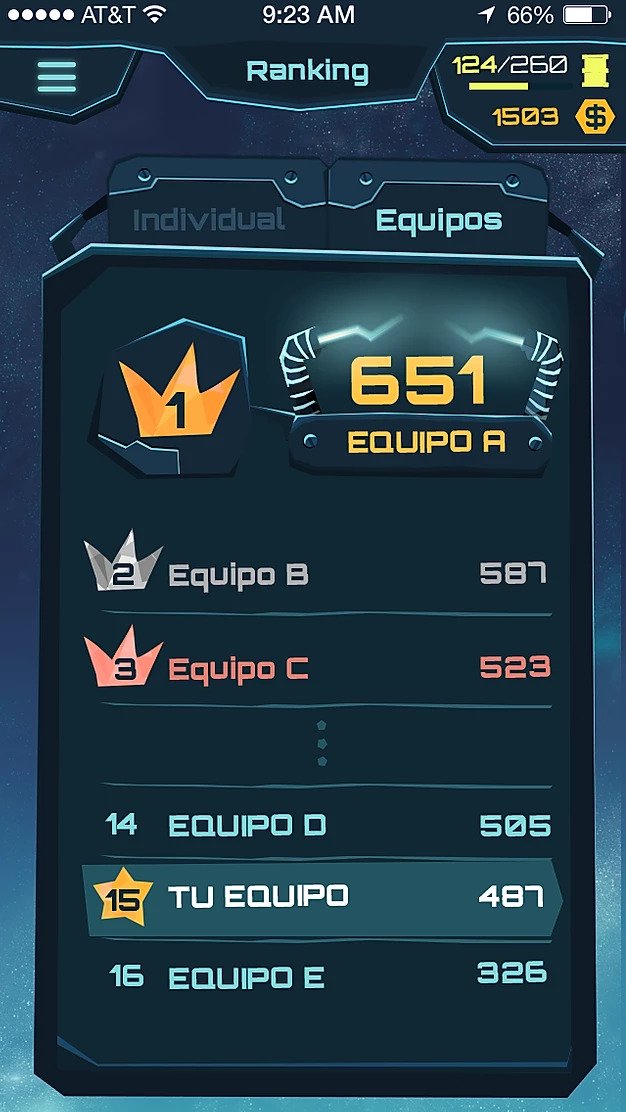
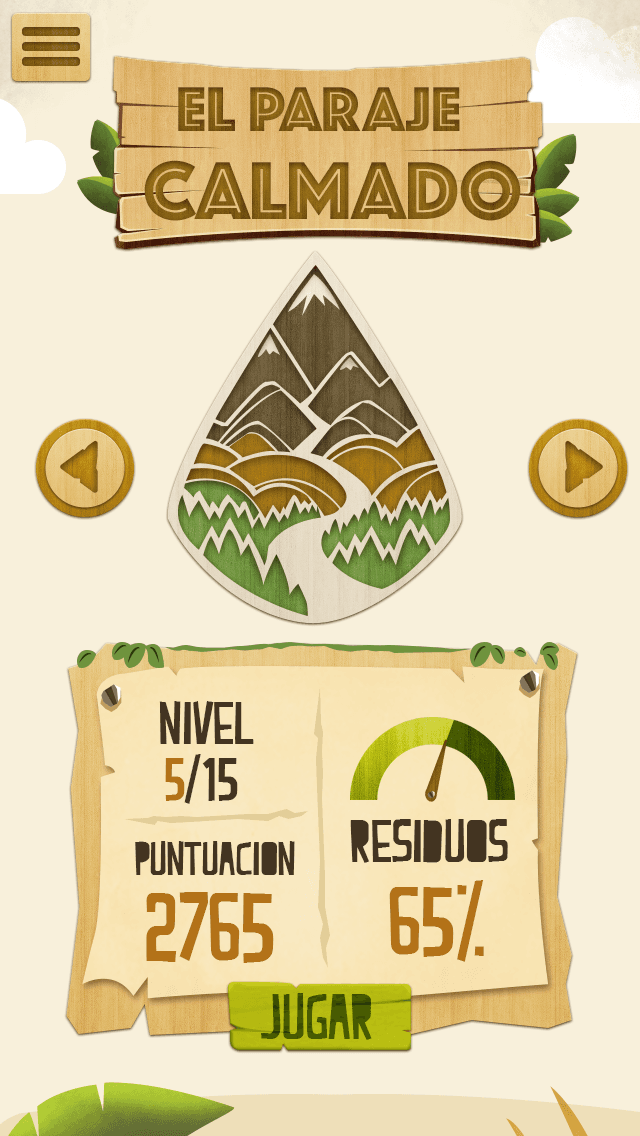
After initial research based on surveys (and informed by my own experience as a smoker) we defined our core persona and explored early concepts. Rather than building another tracking app, we chose a game-based approach where users improved polluted planets through healthier habits, turning progress into something visual and motivating.
The app was designed mobile-first, driven by insights that most users smoked in social settings and had their phones at hand. Testing with early adopters showed that friendly competition increased engagement, which led us to introduce a ranking system that proved especially effective during the toughest early weeks of quitting.
While the app is no longer available on the Android Store due to a later rebrand, the project remains a strong example of how thoughtful gamification can drive real behaviour change.
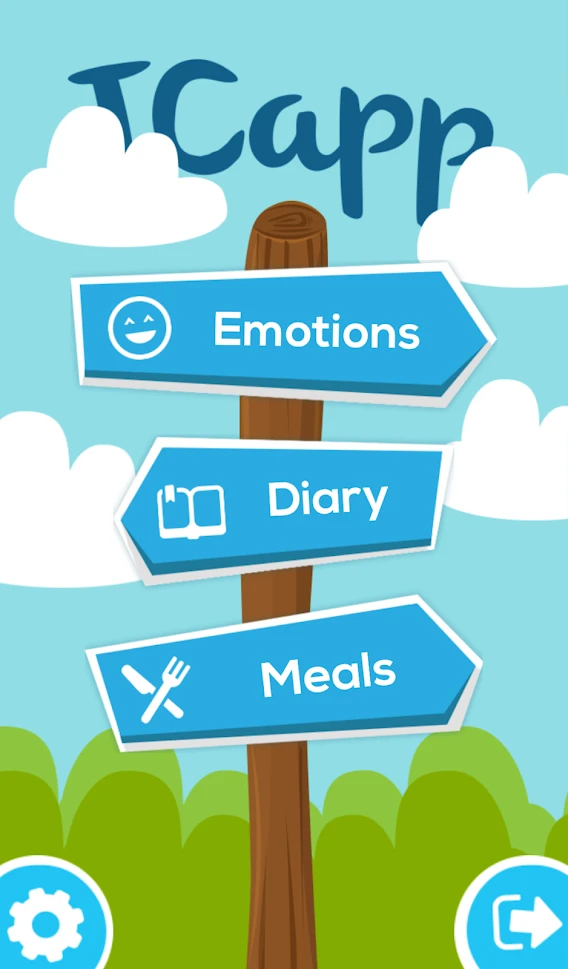
TCapp
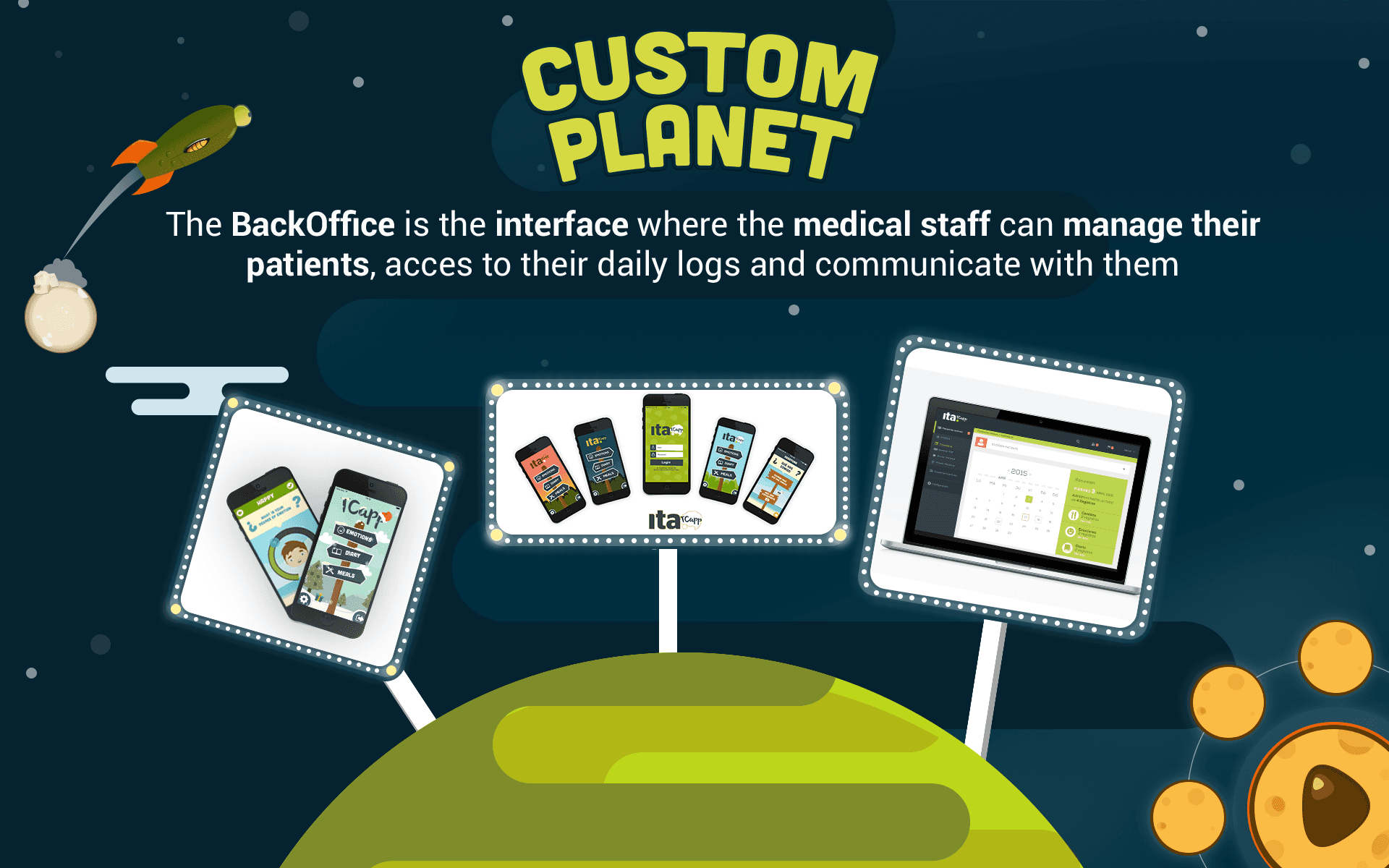
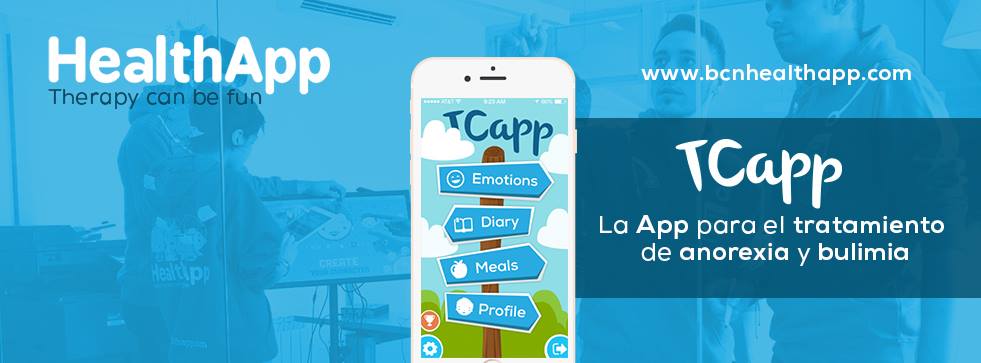
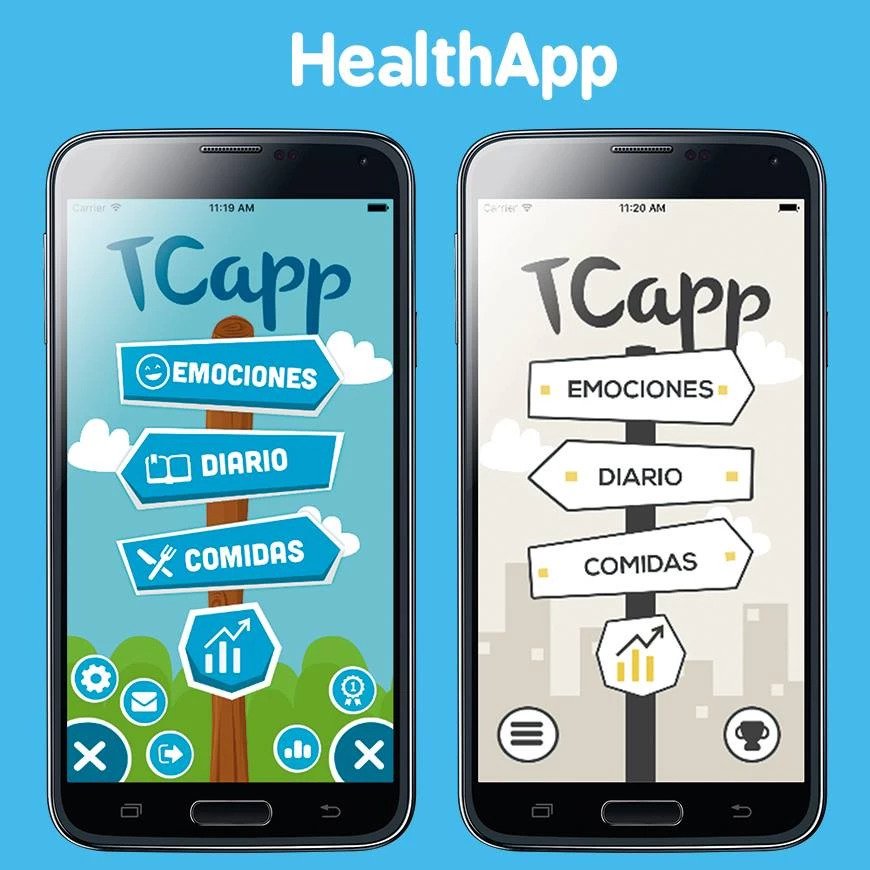
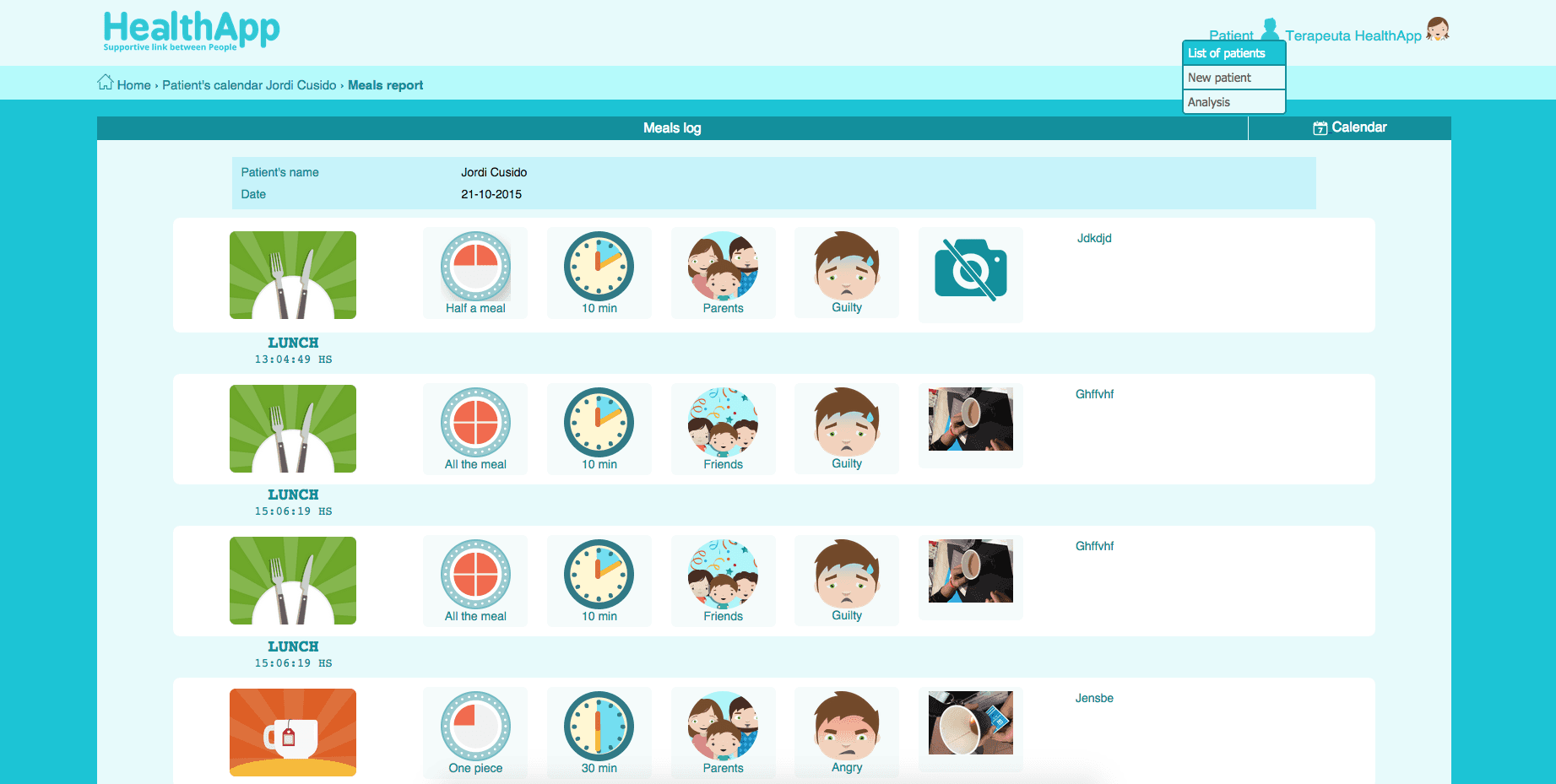
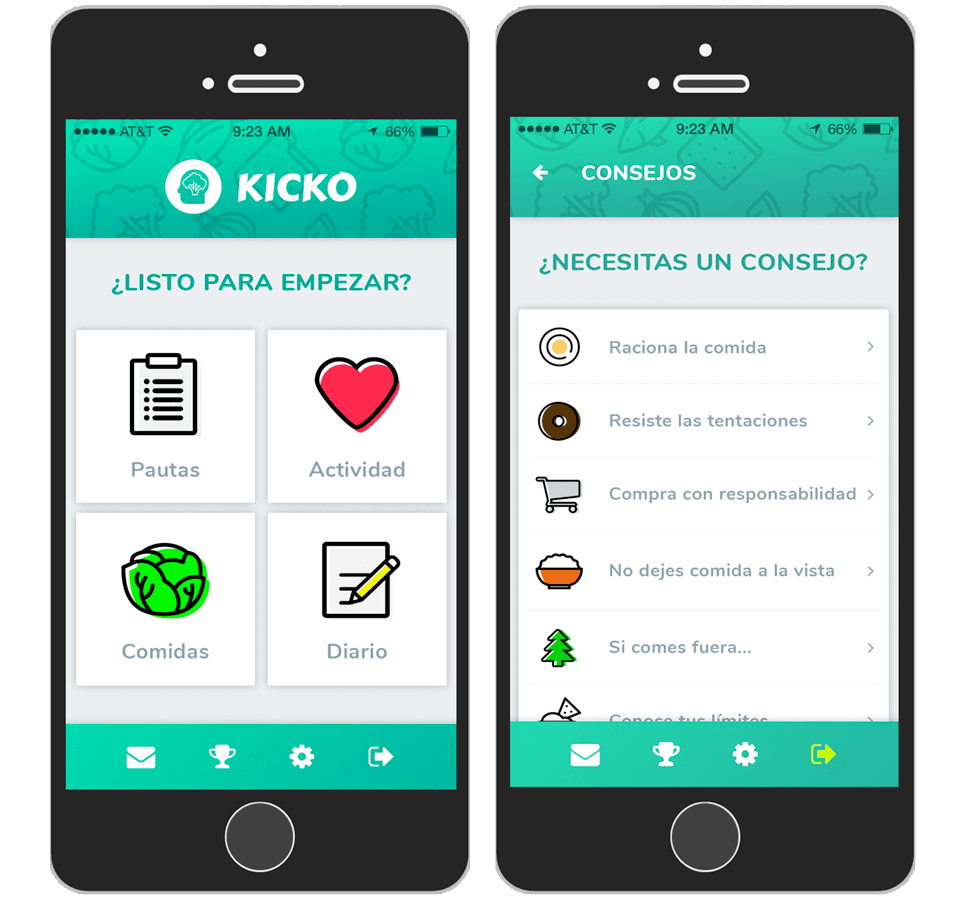
TCApp is a digital solution designed to support patients undergoing treatment for eating disorders, while also giving therapists the tools they need to monitor and guide progress effectively.
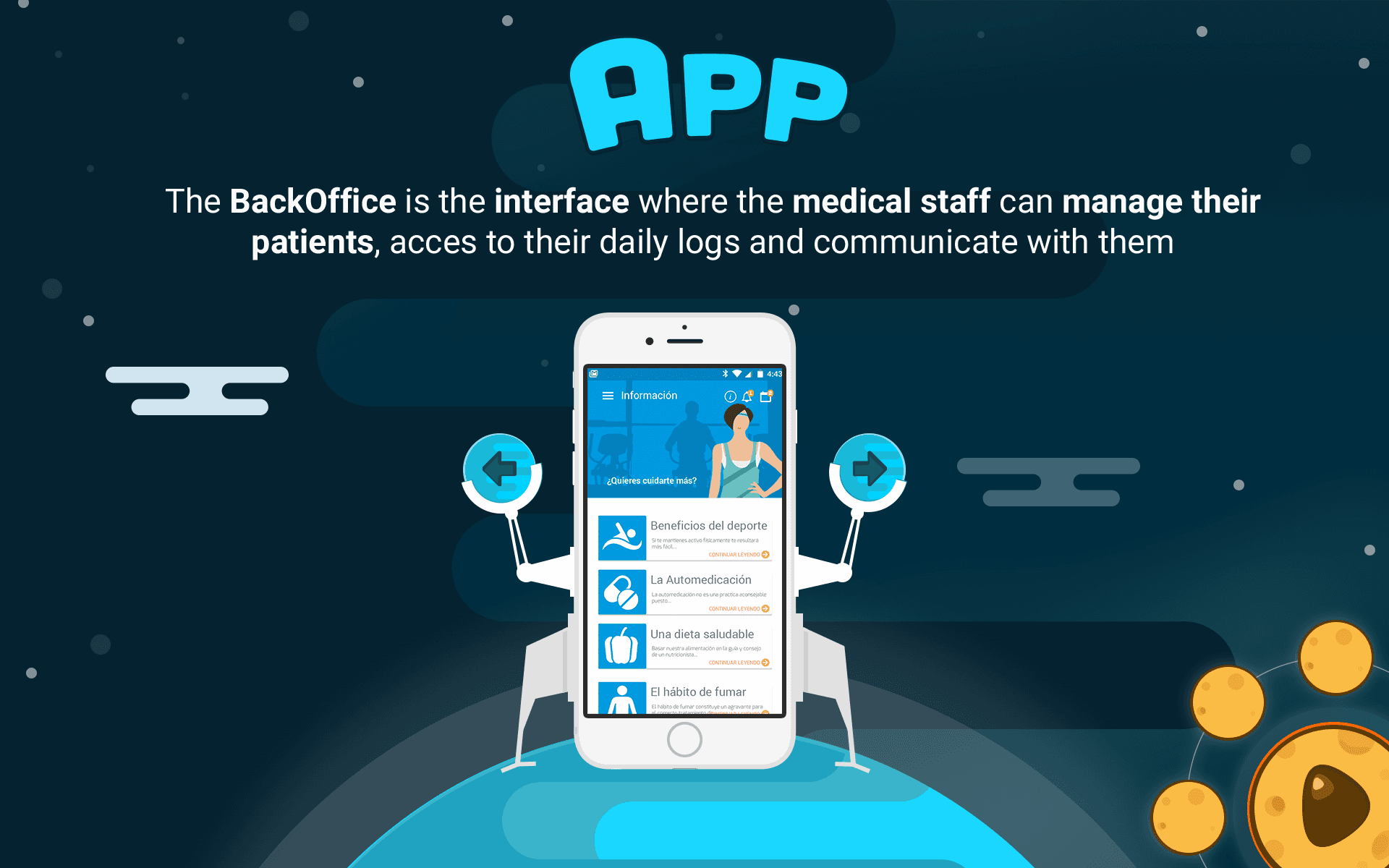
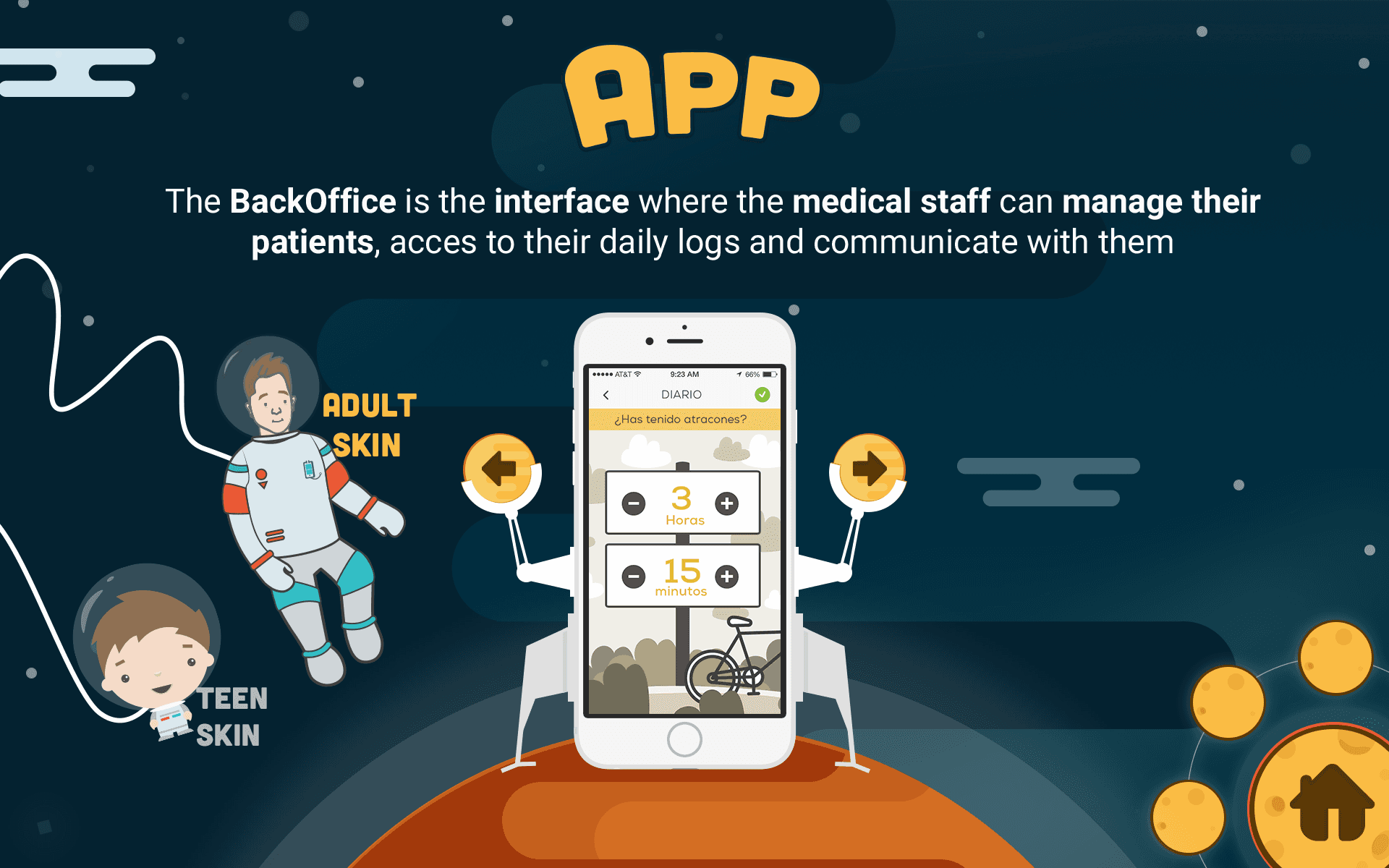
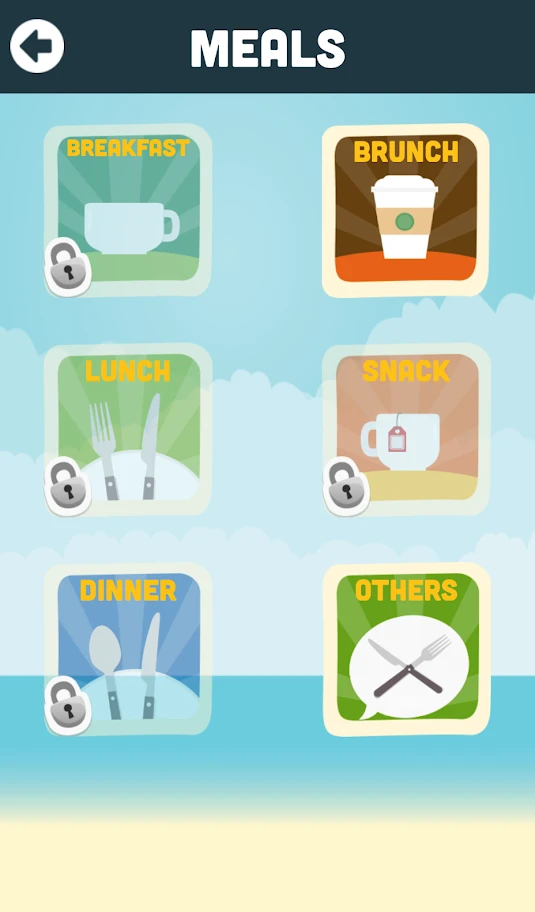
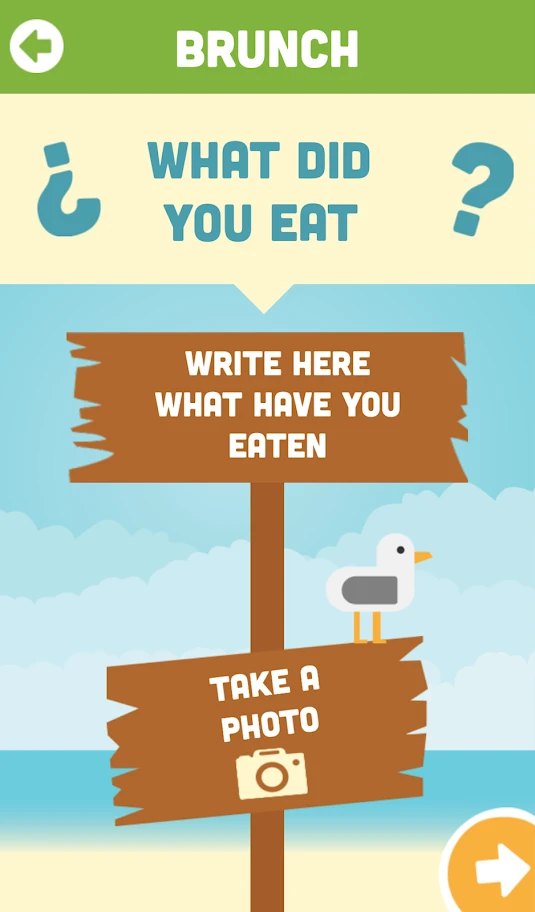
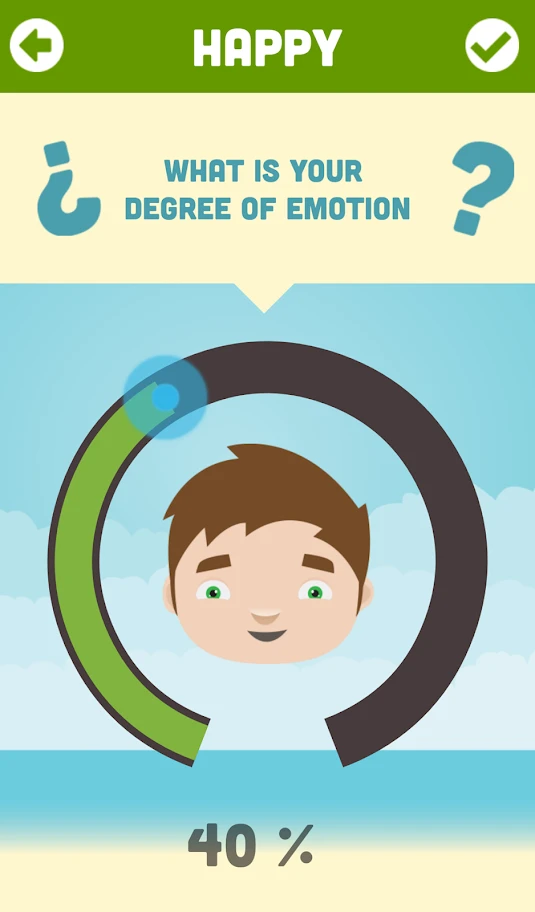
The mobile app allows patients to log meals and emotions, keep a personal diary, and stay in direct contact with their therapist. Through gentle gamification, such as rewards and milestones, the app helps make therapy feel more engaging, supportive, and less overwhelming.
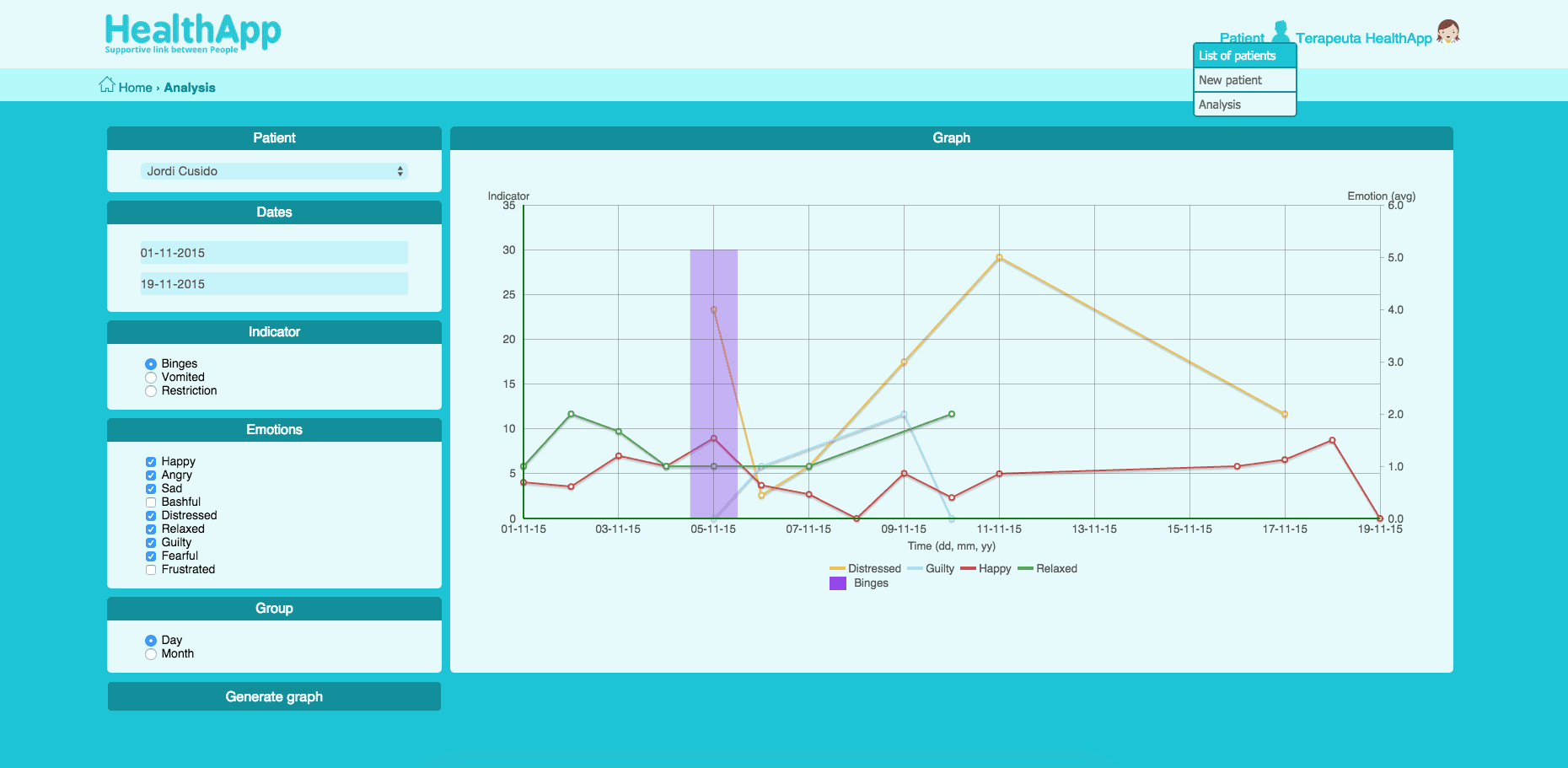
Alongside the app, a dedicated web back office was designed for therapists. It enables them to track daily activity, identify risk behaviours, generate personalised reports, and communicate with patients in real time.
By designing both tools together, TCApp creates a connected experience where patients feel accompanied at every step, and therapists gain clearer insights to better support their care.
Kidney Care
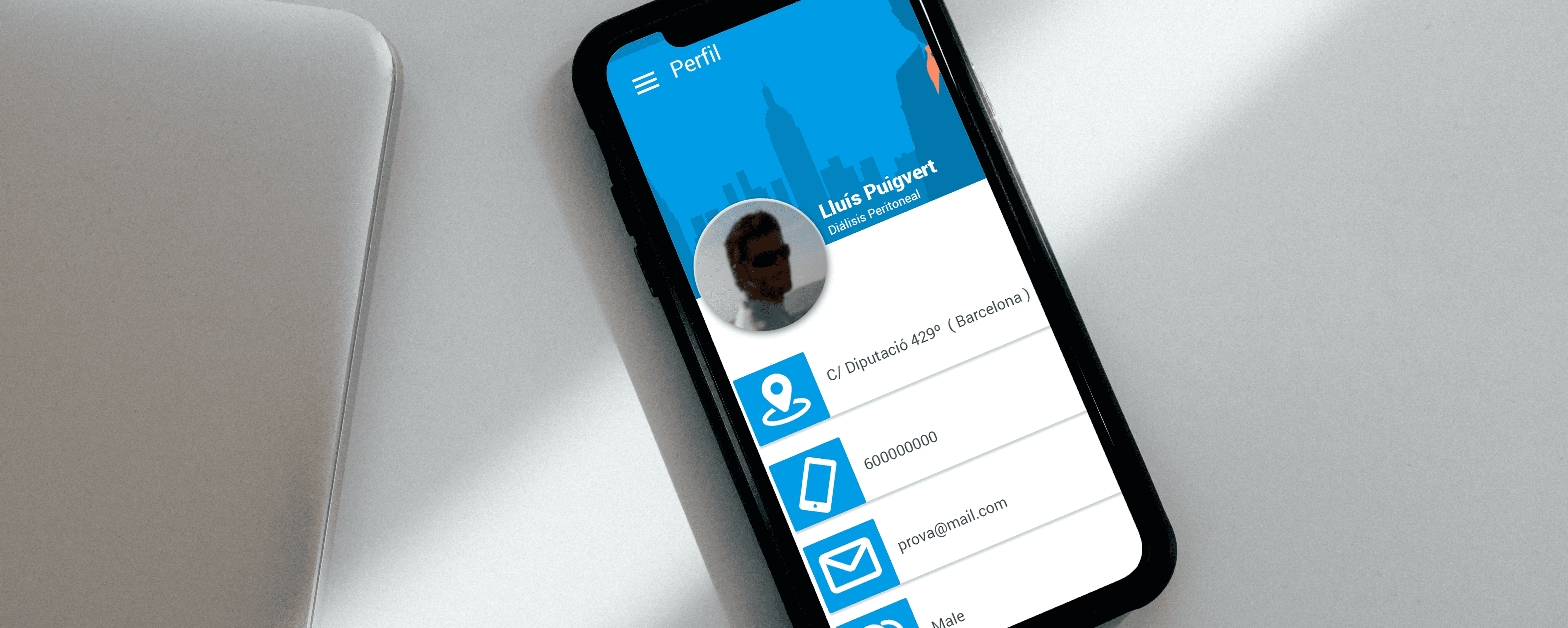
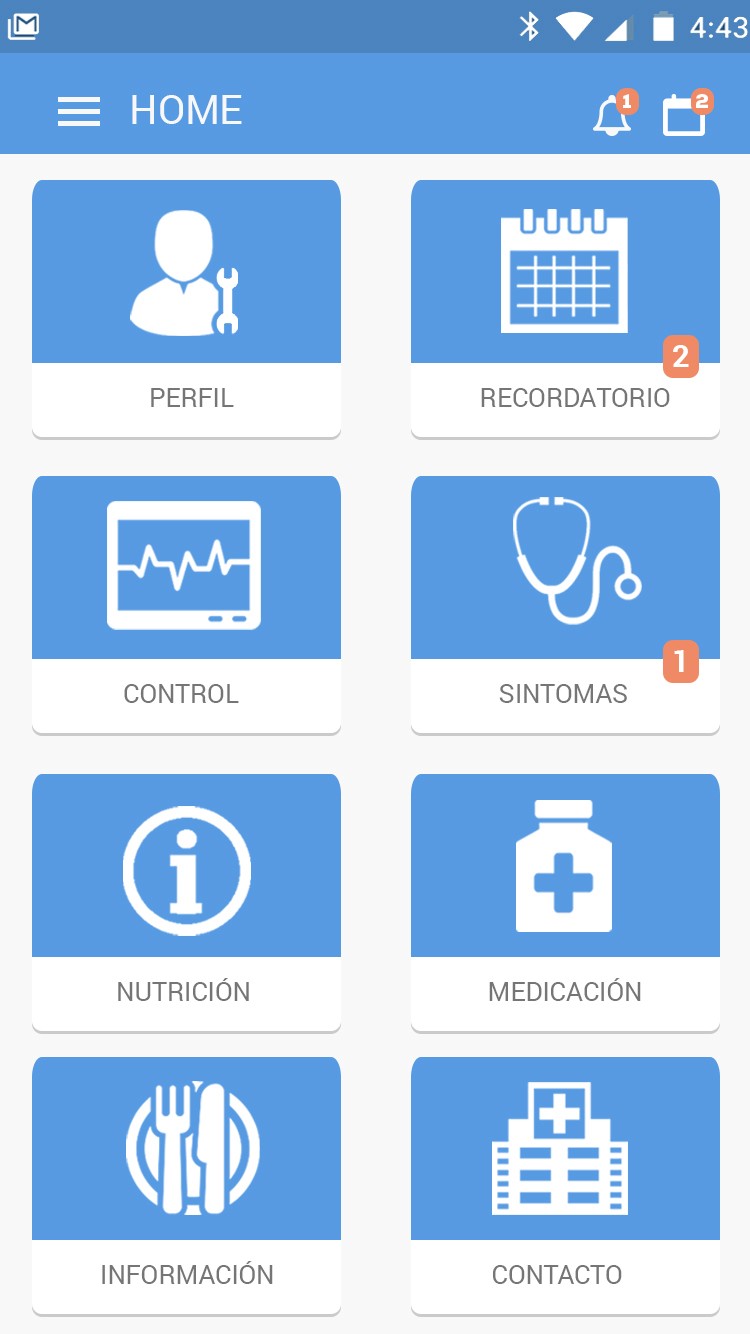
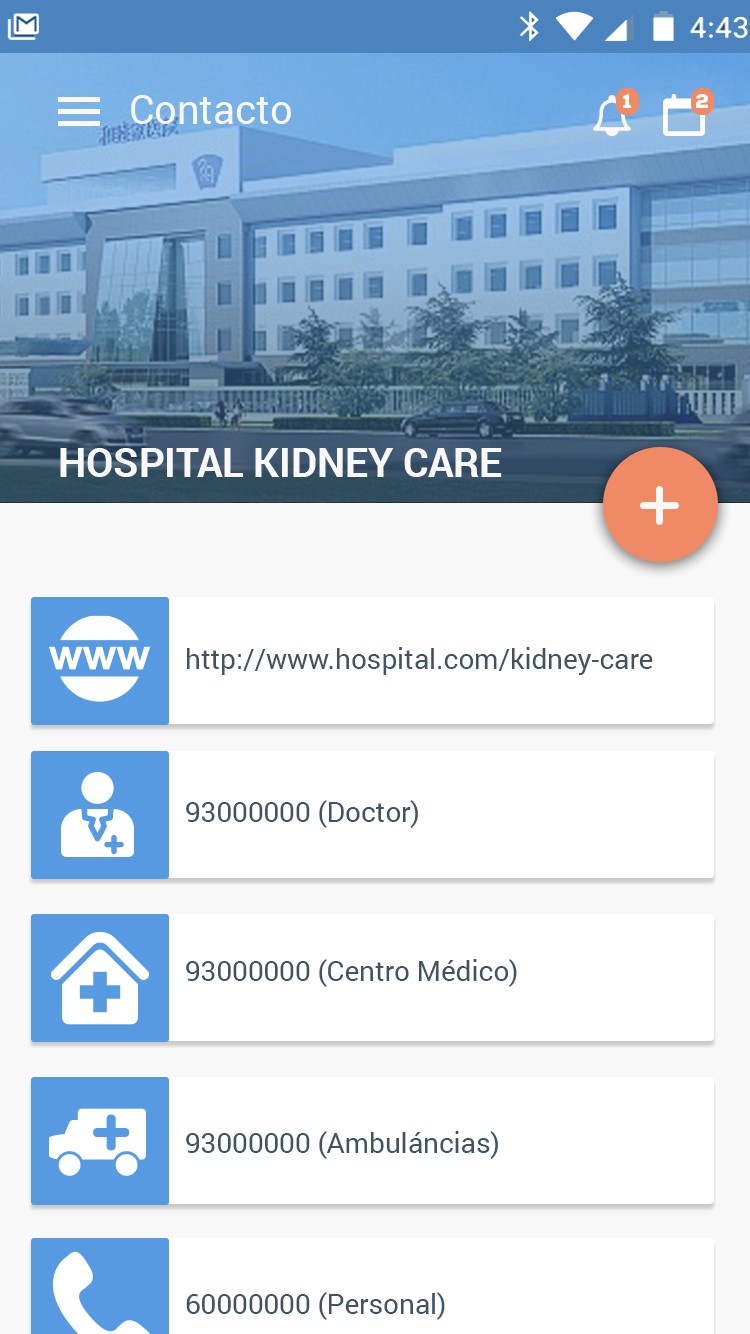
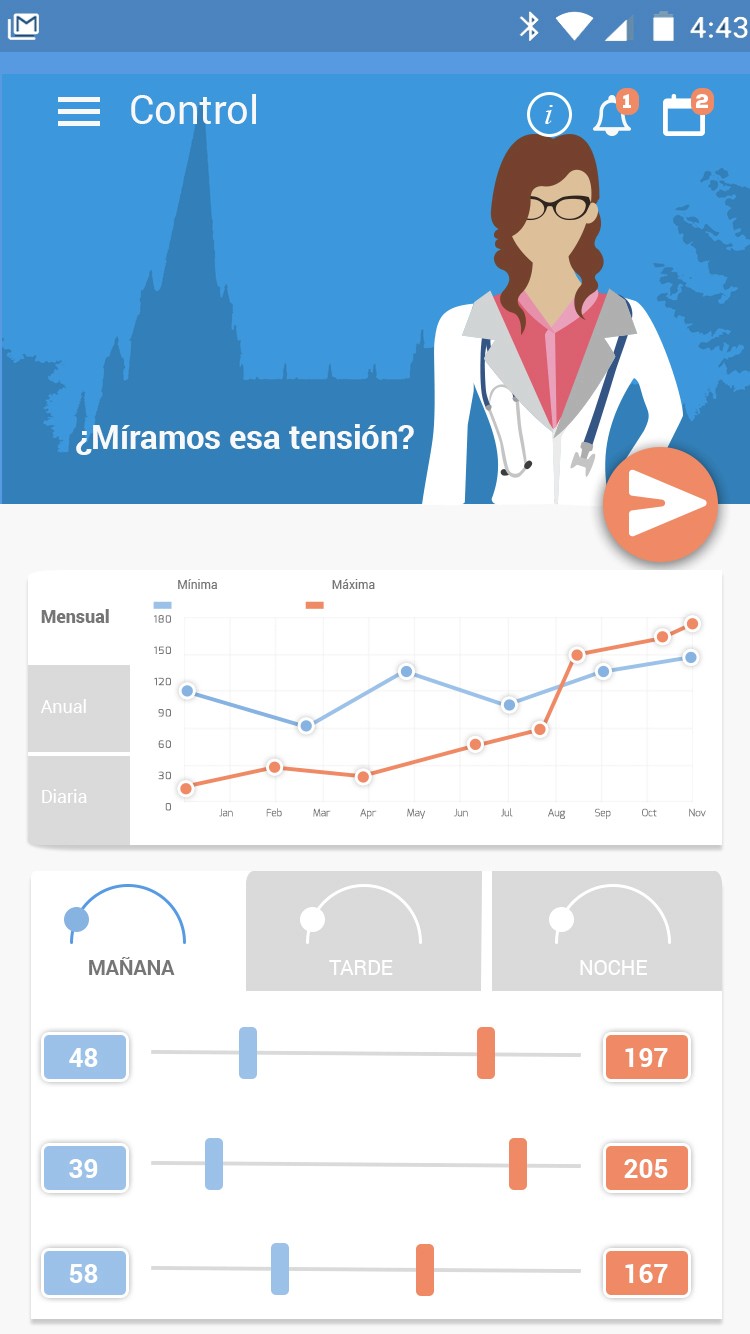
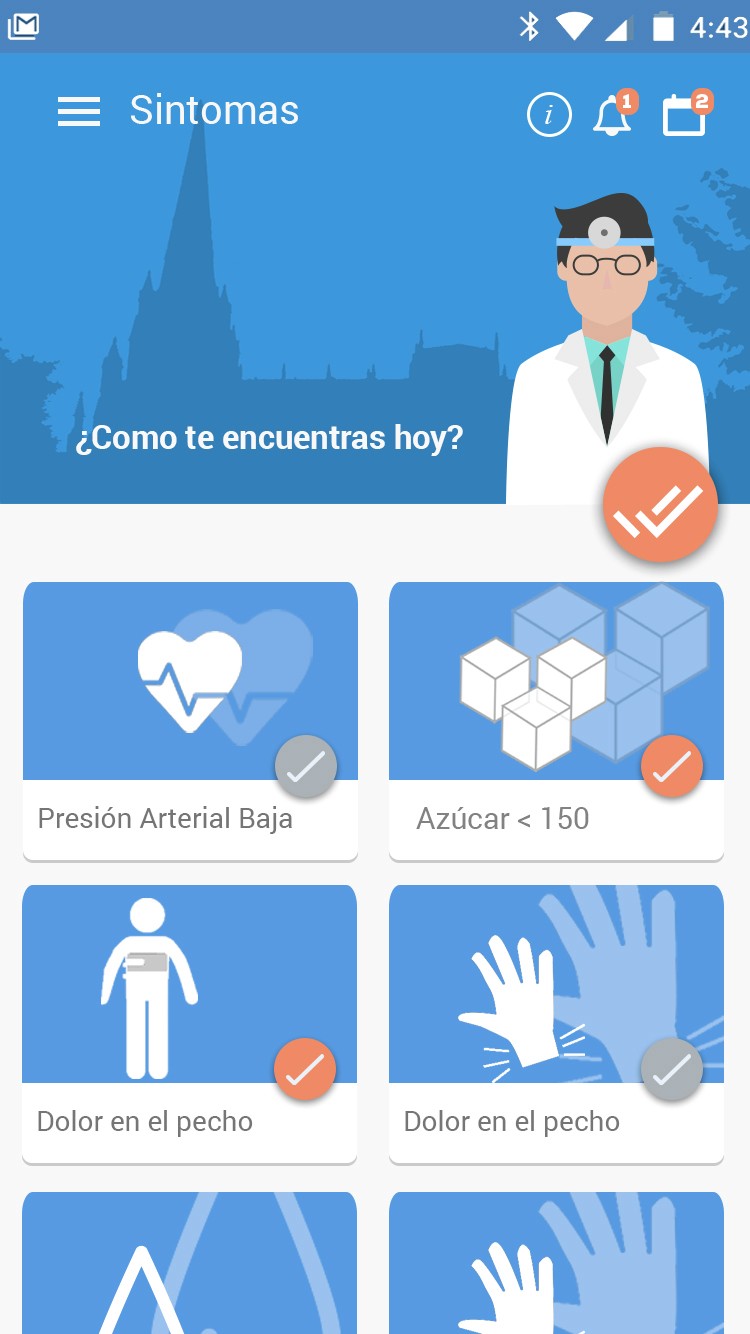
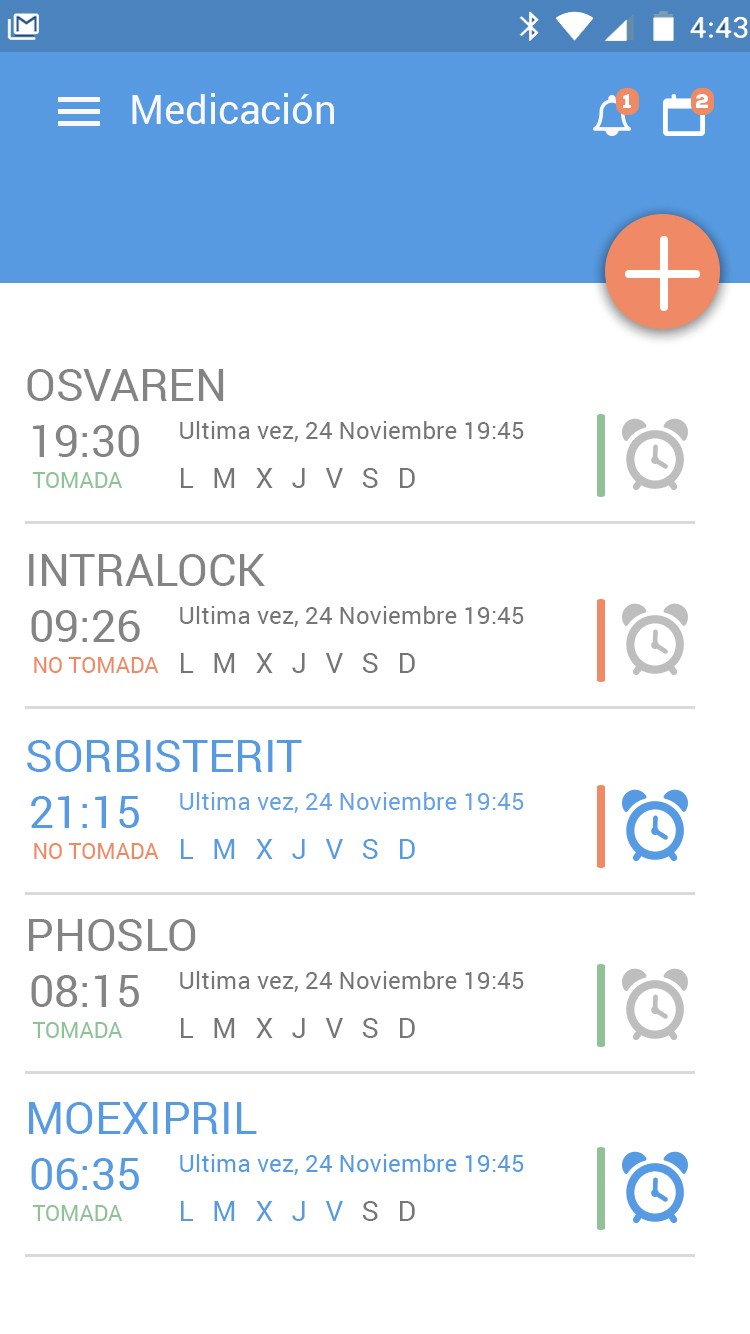
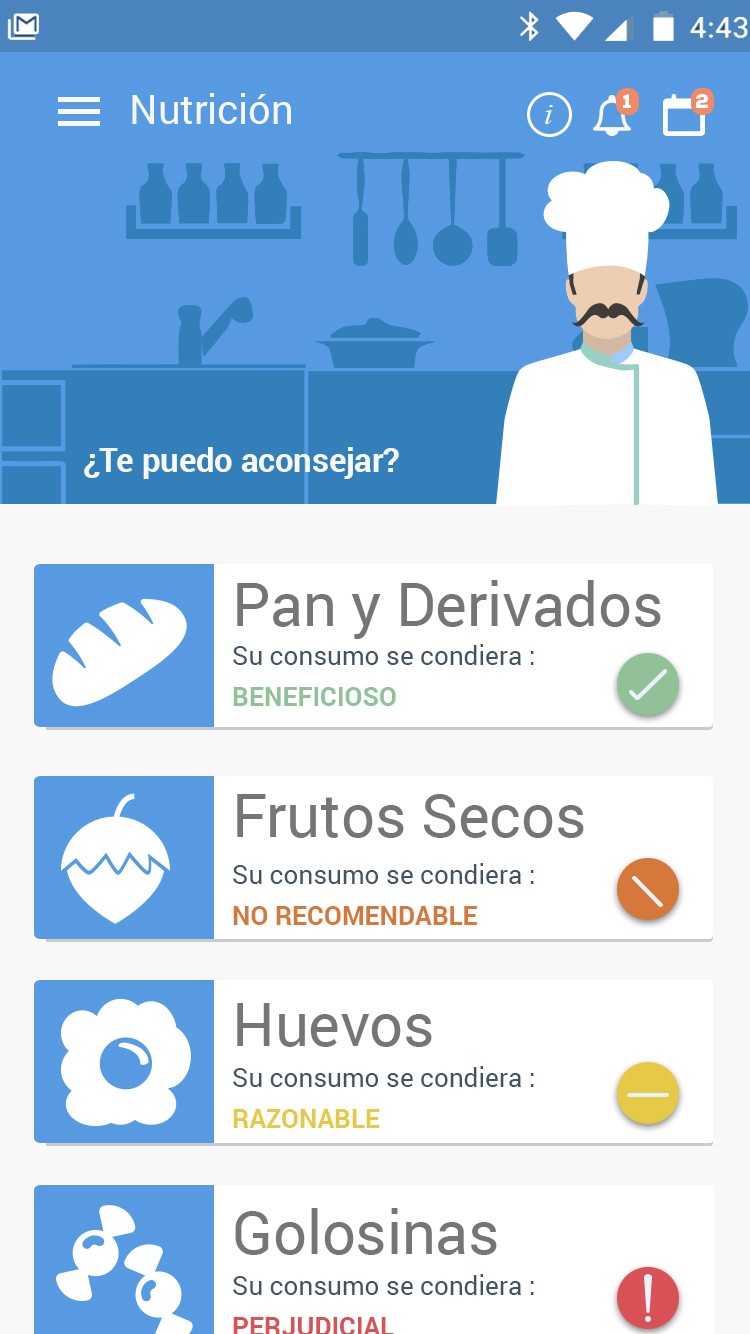
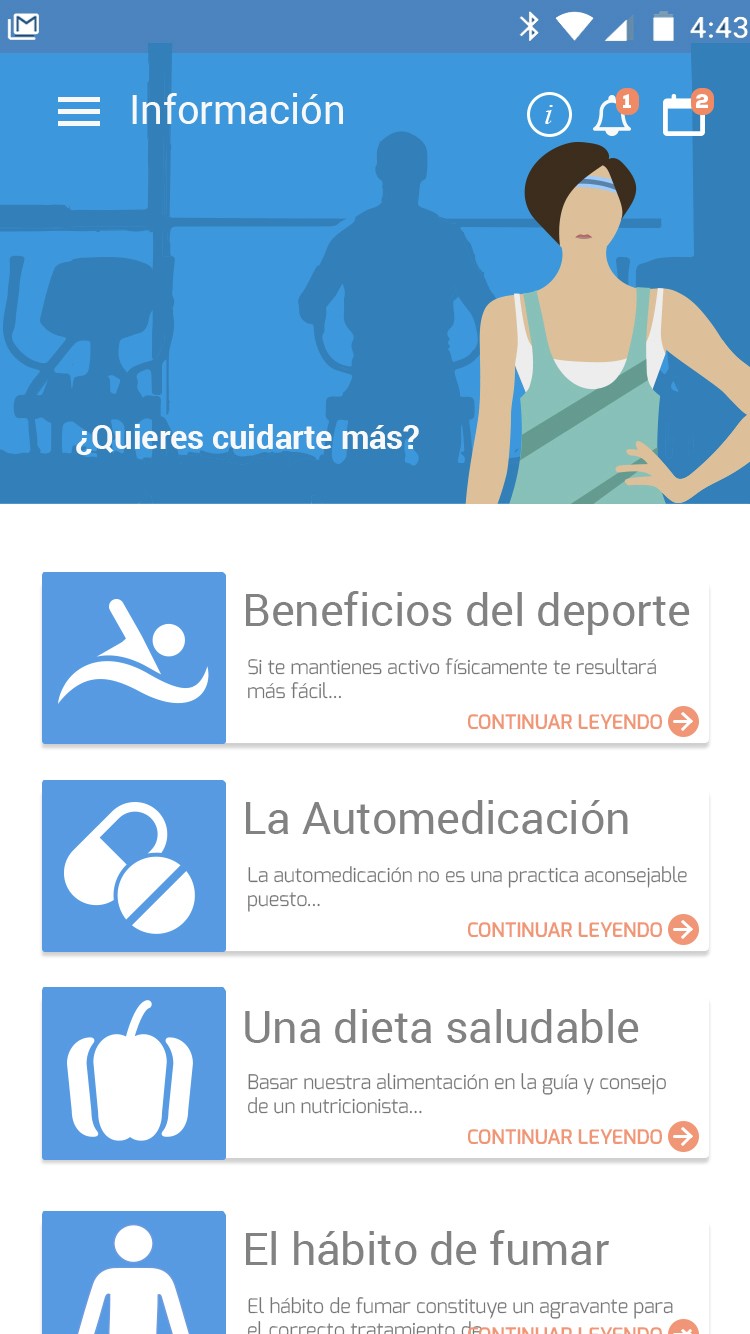
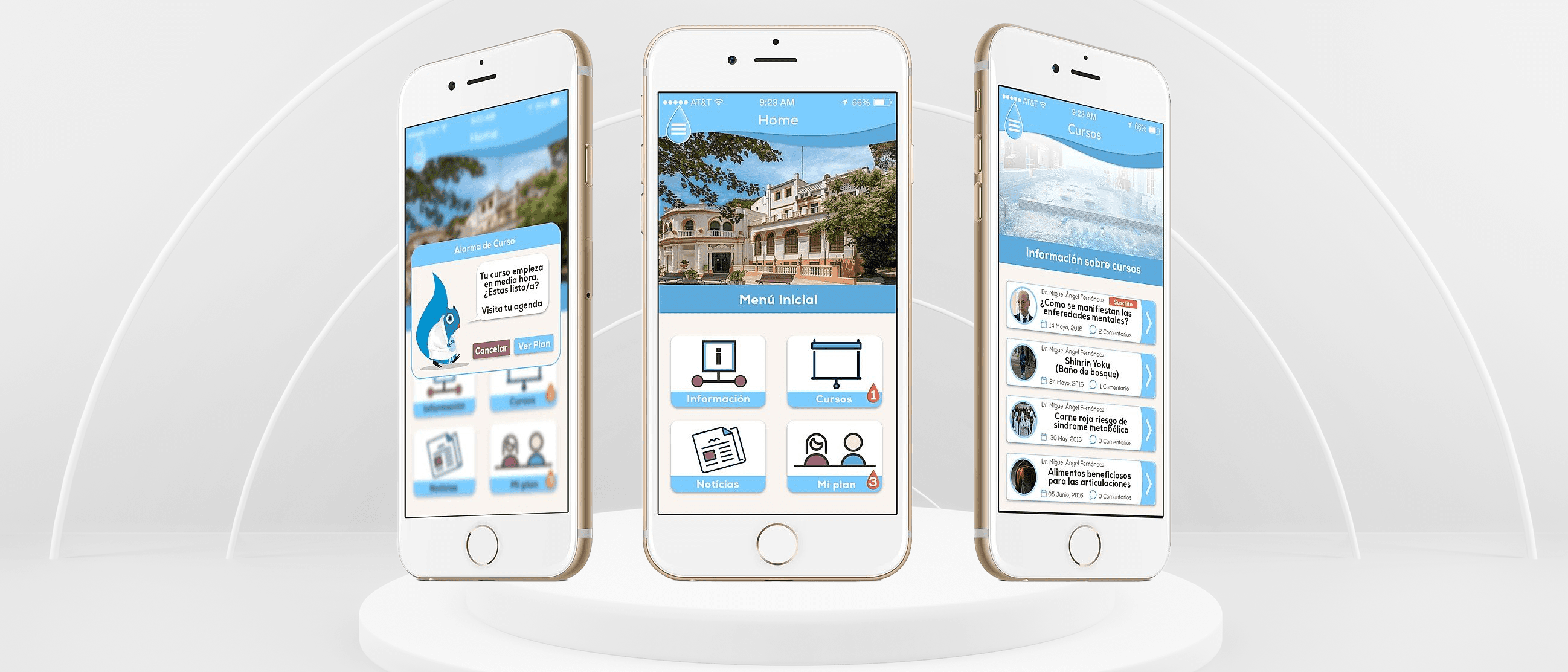
Kidney Care was a native mobile app developed to support patients with chronic kidney conditions throughout their treatment, while keeping them closely connected with their doctors. The project was created in collaboration between HealthApp and one of the largest hospitals in Sabadell.
We began by interviewing patients directly, ensuring the experience was grounded in real needs rather than assumptions. These insights were followed by assumption mapping and multiple design iterations, as we worked to balance patient support with effective clinical tracking for therapists.
The project came with real-world challenges , from lack of Wi-Fi in dialysis rooms to designing for non tech-savvy users and patients who had lost vision due to their treatment. These constraints shaped many of our design decisions and pushed us to think beyond standard solutions.
Although the app is no longer active, the project had a lasting impact on me. It fundamentally changed the way I approach design, and I’m deeply grateful to the patients and healthcare professionals who shared their time, experiences, and strength with us.
Unfinished Projects
This section gathers projects that were never fully shipped, but still deserve to be seen.
I’ve learned to value unfinished work and “failures” just as much as successful outcomes. Some of these projects taught me more than the ones that made it to production.
Here you’ll find early UI explorations and prototypes that were rejected, paused, or later evolved into different solutions. None of them were a waste of time, each one helped sharpen my thinking and my craft.
UX isn’t always a straight line. It’s about trying, failing, learning, and trying again — and these projects are part of that story.
Mobile World Congress
This app was developed specifically for Mobile World Congress 2016 to showcase HealthApp’s latest e-health projects and solutions.
While working at HealthApp, I took part in the event and helped design a full touch-based experience that allowed visitors to explore our products, services, and vision in an engaging way.
The entire experience was designed and built from scratch for a large touch device, focusing on clarity, interaction, and ease of use in a fast-paced exhibition environment.